Your first week in the UK: an arrival checklist for new students
You have landed. Here is what to sort out in your first seven days so the rest of the term goes smoothly.
Read the guideMost visa refusals come down to paperwork. Use this checklist to make sure every document is right before you apply.
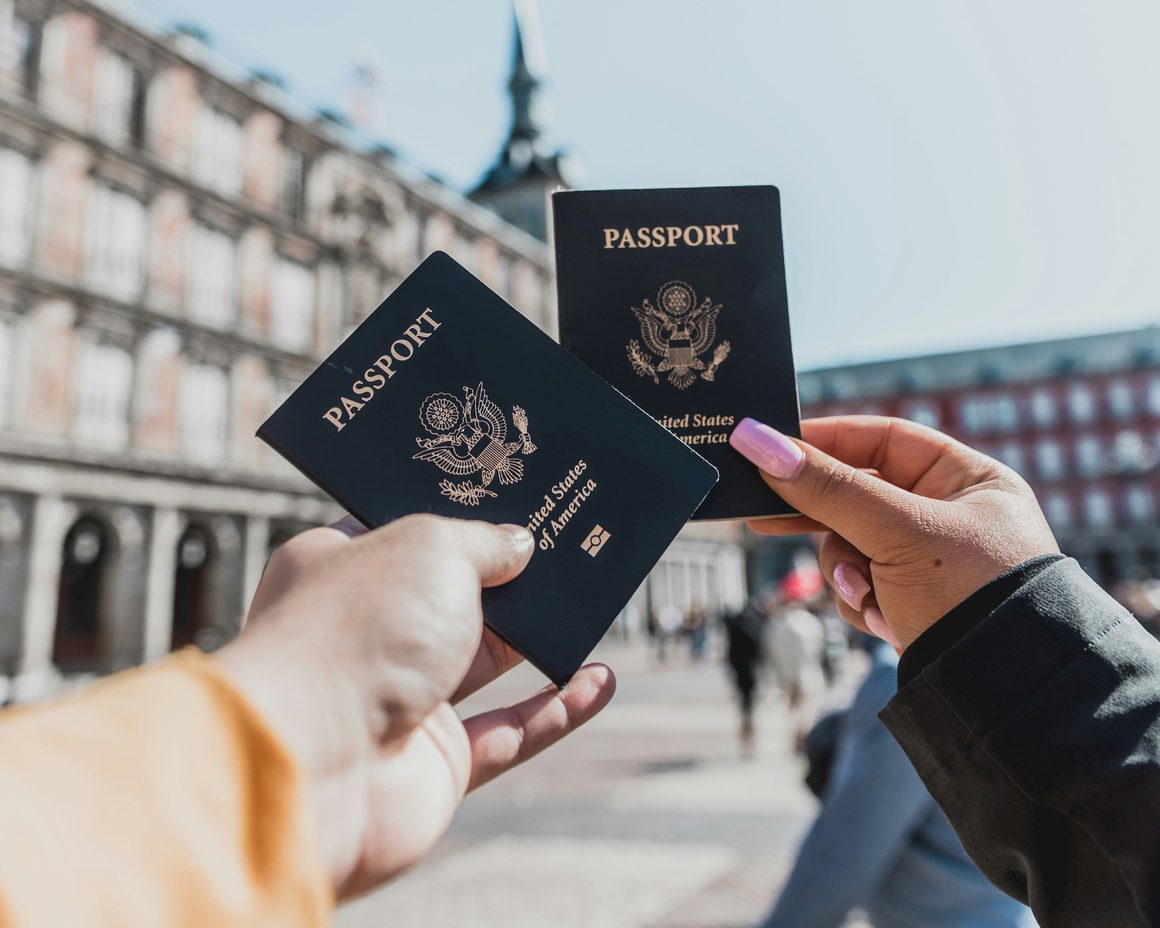
Most UK visa refusals we see are about paperwork, not people. This checklist covers what Nigerian students usually need for the UK Student visa. Rules and amounts change, so always confirm the current requirements on GOV.UK before you apply.
Alongside the visa application fee, you’ll pay the Immigration Health Surcharge, which gives you access to the NHS during your stay. Check both amounts on GOV.UK when you apply, as they’re reviewed regularly.
You can apply up to six months before your course starts. After applying online you’ll book an appointment at a visa application centre to give your fingerprints and photo. Decisions usually take around three weeks, so don’t leave it late. Successful applicants now receive an eVisa, a digital record of their immigration status, instead of a physical card.
Since January 2024, most students on taught courses such as master’s degrees can no longer bring dependants. There are exceptions, for example for postgraduate research courses, so check your own situation carefully.
Want a second pair of eyes before you submit? Our counsellors check every document and run mock visa interviews. Book a free consultation or see our visa support service.
 Student life
You have landed. Here is what to sort out in your first seven days so the rest of the term goes smoothly.
Read the guide Destinations
Course length, costs, visas and work after graduation: the differences that matter when you are choosing between the two.
Read the guide Funding
Government schemes, university awards and foundation scholarships: where to look and what makes an application stand out.
Read the guide